When we think of the written word, we usually think of two people: the writer and the reader. But, depending on how many and how prestigious those readers actually are, we may have to account for one more person—an editor.
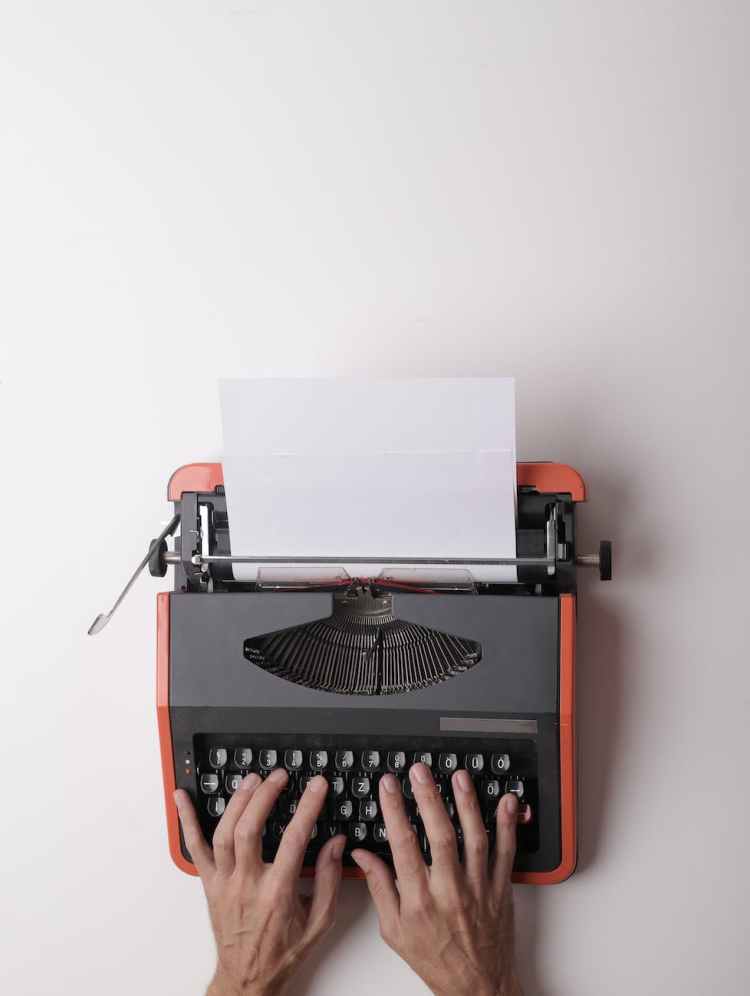
However, this is where things can get a bit tricky. Editors are not a one-size-fits-all kind of deal. There are a variety of editors that do different jobs. Do you need every single one for every single project? No. But it is essential to know who you need and when you need them.
Editors come in all shapes and sizes. Some help the writer develop what they want to say. They edit while the writer is still planning out the material and writing it all down. This usually means you can expect major edits in your work. Because of this, this kind of editing is called substantive editing. You’ll usually find these editors helping authors write larger works, such as novels. It’s only after the body of the work is finished that the copy editor will then fine-tune the mechanics of the writing.
What Is a Copy Editor?
Yes, language has a mechanical side to it. While the initial editors mentioned above are for the big picture, copy editors are the mechanical editors, the ones working on the small details. When we write, there are rules: spelling, capitalizing, italicizing, punctuating, etc. There are rules on top of rules on top of rules. Even native English speakers are used to certain rules that they may never have even recognized. (Have you ever thought about the way we recite a list of adjectives? There’s a rule about it! And we’ve subconsciously picked it up.) This kind of mechanical editing is the heart of copy editing.

However, there are other aspects. Sometimes a word in a sentence doesn’t quite fit the meaning the author intended. Maybe the word wasn’t meant to be there or maybe a word was left out completely. These things are easily overlooked when focused on the document as a whole. It’s not until someone takes a deeper dive that these errors will come up to the surface.
Another aspect of copy editing that is rarely even thought about is checking for consistency. Most people know the struggle of knowing if it’s gray or grey. But the truth is, they’re both correct! One is the American spelling and the other is UK. (And that’s a whole other concern for copy editors.) But imagine someone writes both variations on the same page. It may not seem like a big deal, but believe me, people will notice, they always do.
You might be thinking, then, after the big picture is done and the smaller details are ironed out, the work is finished; the writing is ready to go to the readers. Well… not quite. There’s one more step.
What Is a Proofreader?
Proofreading is the last step in making sure your text is ready to be seen. It’s very similar to copy editing in that it focuses on the tiniest details, but this editing is done after formatting, when the text is on the page the way it will be seen in print or on a web page, all pictures are in place, etc. Whether this is finding grammatical errors in the main body of text or the text in graphs or diagrams, or fixing the way everything lays out so that it’s easy to read and appealing to the eye, proofreading is the last chance to get it right.

Still, this is a lot of information to take in. So, we can think of things this way:
You pick out what you want to wear to an important event, try the outfit on, change the top, and try different accessories until it has the look you’re going for—essentially, making substantive edits. Now, you like what you see, you just want to make sure all your buttons are shut, zippers are closed, shoelaces tied, and everything’s in place—in other words, copy editing. But no one’s seen you yet. You’re still at home. But just like most people do before going out to an important event, you do one last check—you proofread.
So, there’s my story version of what could more easily be explained by this little diagram:
Substantive editing –> copy editing –> proofreading –> masterpiece –> 😊
Are Editors Always Required?

I’m not going to pretend that editors must always be utilized just because I’m one of them. There are a lot of variables, such as the length or importance of the work being written. Oftentimes, it’s up to personal choice. But how would you feel if you passed a billboard on the highway with a glaring typo? Would you laugh? What about errors scattered through an expensive textbook; would you start to doubt the accuracy of the material or even be upset that the price was so high? So, clearly, even a typo can affect our emotions and thoughts.
You don’t have to write something of grand importance to need an editor. You don’t even need a multitude of words. So far in this profession, I have edited a document of as little as 300 words. But you know your audience, and you know your own writing ability. It’s up to you whether you think your work is something worth investing in.
Conclusion
Copy editors and proofreaders are utilized near the end of the writing journey, but that doesn’t make them any less important. They polish words, allowing the writer’s thoughts to shine. And they do the tedious work of checking grammar rules and finding the missing commas. So, out of all the editors out there, they’re just as important.
If you’ve decided to hire a professional, as a copy editor and proofreader, I’d be more than happy to work with you. If you’d like to know more, visit my service page here.
One response to “What Do Copy Editors and Proofreaders Do?”
-

[…] If you would like to learn more about what it is that a proofreader and copy editor do, you can check out my blog post here. […]
LikeLike
 Peony & Prose Editorial
Leave a comment